 Download PDF
 Cite this
 Share
Share

Open Access
Jun 21, 2024
Advertisement
Journal article
//
The Influence of Natural Cycles on Human Cognitive Activity and Psychophysiological State
April 18, 2025
// DOI:
10.36074/grail-of-science.18.04.2025.113
Metrics
-
 14
views
14
views
-
 470 downloads
 14 views
//
470 downloads
14 views
//
470 downloads
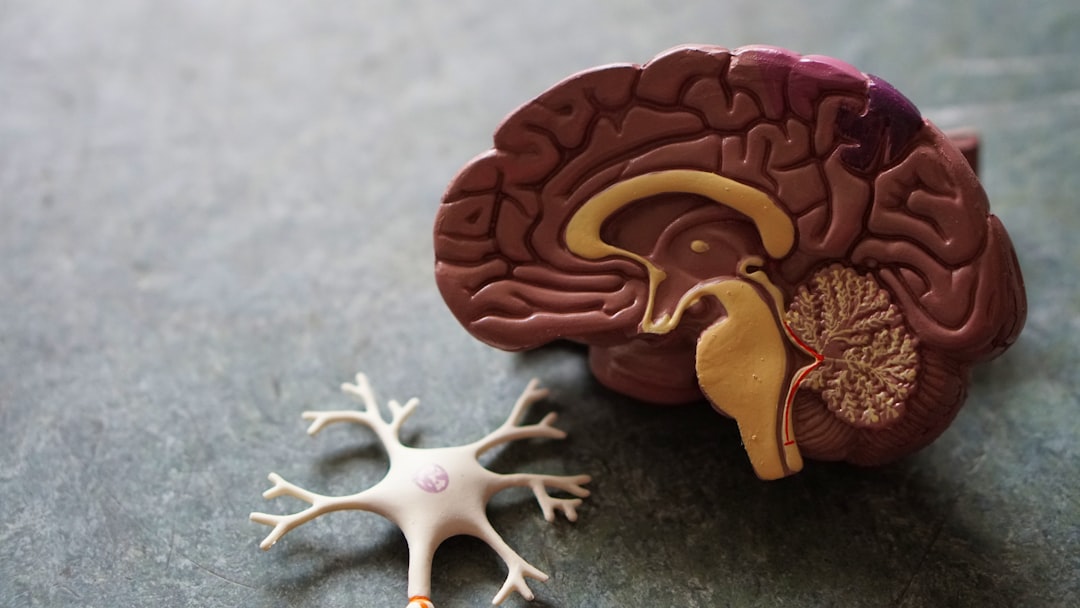
Abstract
This scientific paper investigates the potential impact of natural cycles, with a particular emphasis on lunar phases, on human cognitive activity, productivity levels, and psychophysiological state. The study explores theoretical mechanisms behind these effects, drawing on insights from neurophysiology, endocrinology, and psychophysiology. The research highlights how gravitational and electromagnetic fluctuations during different lunar phases may influence hormonal balance, neurotransmitter activity, and overall brain function. The practical part of the study involved a comprehensive questionnaire survey conducted among 68 participants aged 18 to 50 years, who were free from significant somatic, neurological, or psychiatric conditions. Participants were observed over a complete lunar cycle (28–30 days) and reported changes in cognitive performance, emotional well-being, and sleep quality. Analysis of the collected data revealed notable patterns: the full moon phase was often linked to heightened nervous excitability, emotional instability, and disrupted sleep, while the new moon phase frequently correlated with reduced energy levels, fatigue, and cognitive slowdown. However, the findings also emphasized individual variability, with some respondents reporting no significant effects. The results underscore the complexity of biological responses to lunar cycles and highlight the need for further interdisciplinary research to identify precise physiological mechanisms. The study's findings could have practical applications in developing strategies for optimizing productivity, managing stress, and improving sleep quality by aligning daily routines with natural biorhythms.
Full text

More from this journal

Перспективи Використання Прямохаотичних Та Фрактальних Сигналів Та Систем Для Бездротової Системи Передачі Даних
Open Access
Feb 25, 2023
Ігрова Діяльність У Процесі Навчання Української Мови Як Засіб Слухомовленнєвого Розвитку Дітей З Особливими Освітніми Потребами (Порушенням Слуху)
Open Access
Jan 27, 2024

Metrics
-
14
views
-
470 downloads
14 views
//
470 downloads